Site, grid and distribution.
The operating foundation for high-density Bitcoin compute.
- Site & Power Evaluation
- Transformers & Distribution
- Containers / Data Halls
- Networking & Security
TerraHash Energy approaches Bitcoin mining as an integrated energy and compute infrastructure system.
Power availability, mining hardware, thermal management, operating intelligence and flexible load strategy are designed as one coordinated platform — connecting physical energy assets with productive Bitcoin network compute.
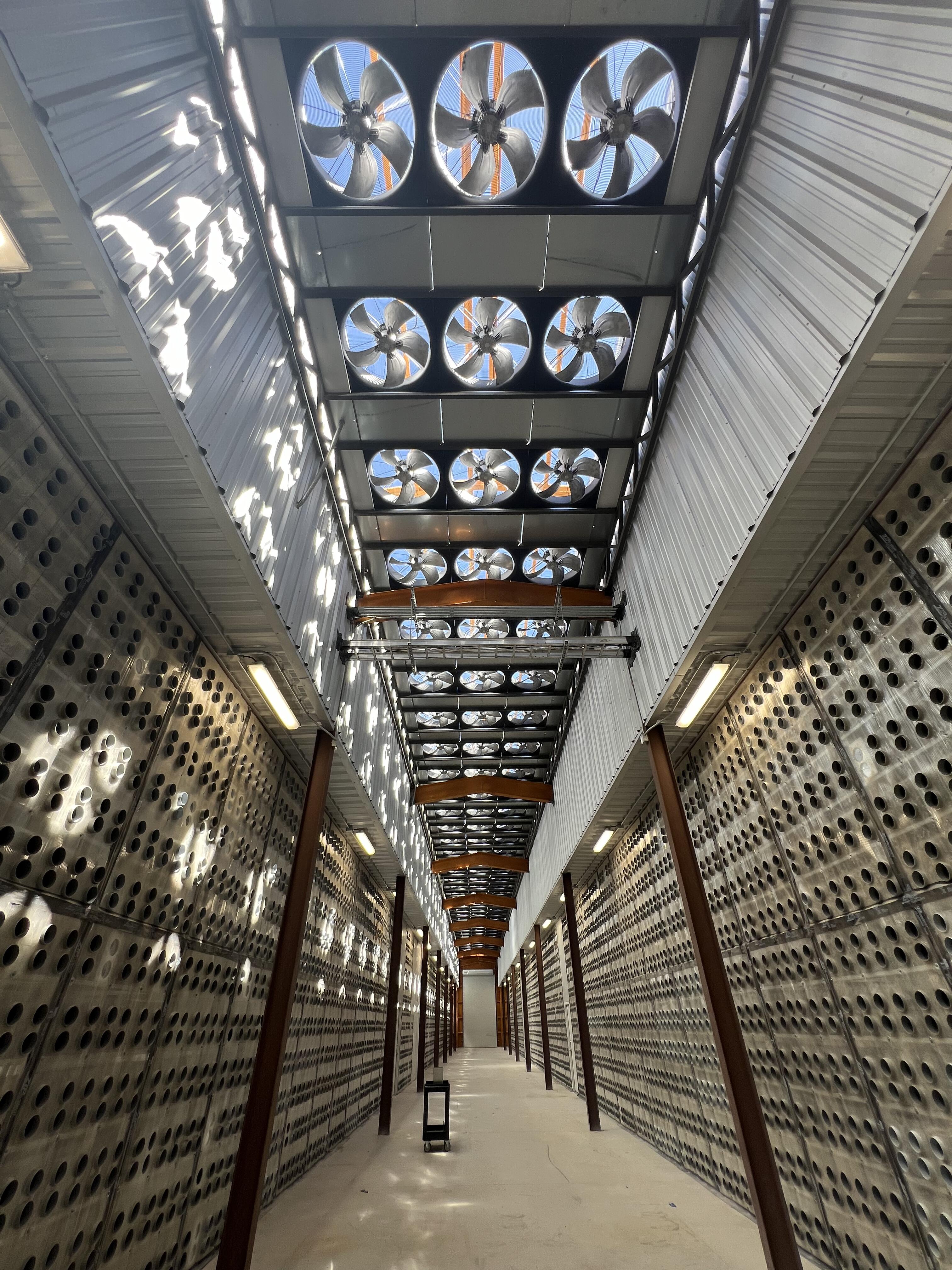
Every mining layer depends on the one beneath it. TerraHash begins with site and electrical conditions, then connects ASIC hardware, thermal systems, fleet operations and hashrate intelligence into one operating model.
The operating foundation for high-density Bitcoin compute.
Deployment, health and maintainability across the fleet lifecycle.
Operate around cost, grid conditions and available renewable supply.
Connect machine data with site-level performance and economics.
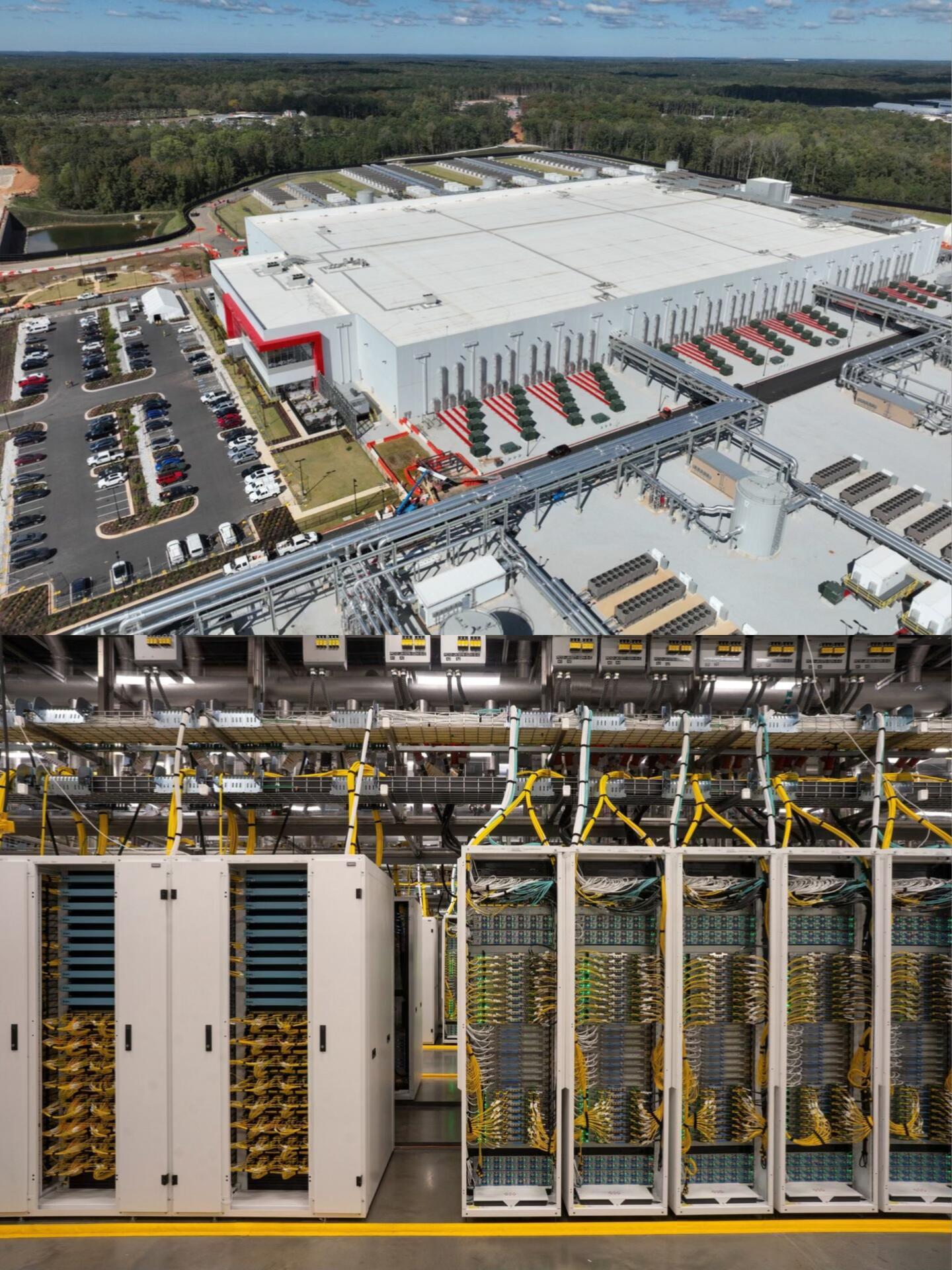
Electrical architecture, thermal design and site conditions influence the economics of every unit of compute. Mining and AI facilities differ in workload and hardware, but both expose the same infrastructure truth: power and cooling are strategic constraints.
Transformers, switchgear and distribution designed around dense compute loads.
Airflow, liquid cooling and heat rejection matched to hardware density.
Machine health, maintenance workflows and uptime across the operating fleet.
Controls linking energy availability, load decisions and compute output.
The supplied research highlights Texas and California as major renewable-generation markets, with strong wind, solar and hydro resources across several states. For TerraHash, these are not decorative sustainability themes — they are inputs into site selection, power strategy and long-term compute economics.
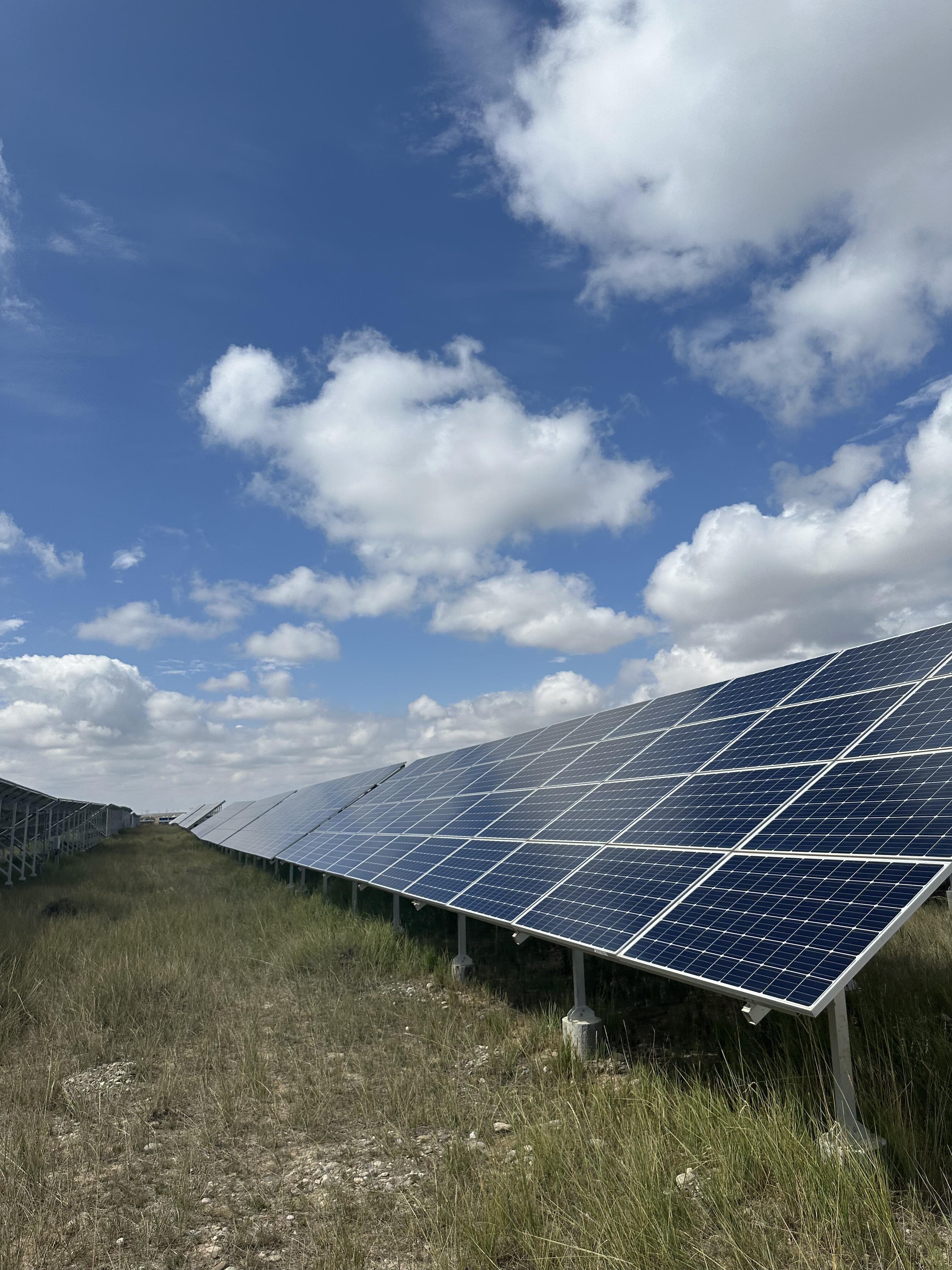
Solar-rich western markets and wind-rich interior states create different operating profiles for large flexible loads. Generation mix, interconnection capacity, storage and local power pricing all matter when evaluating where compute infrastructure should develop.
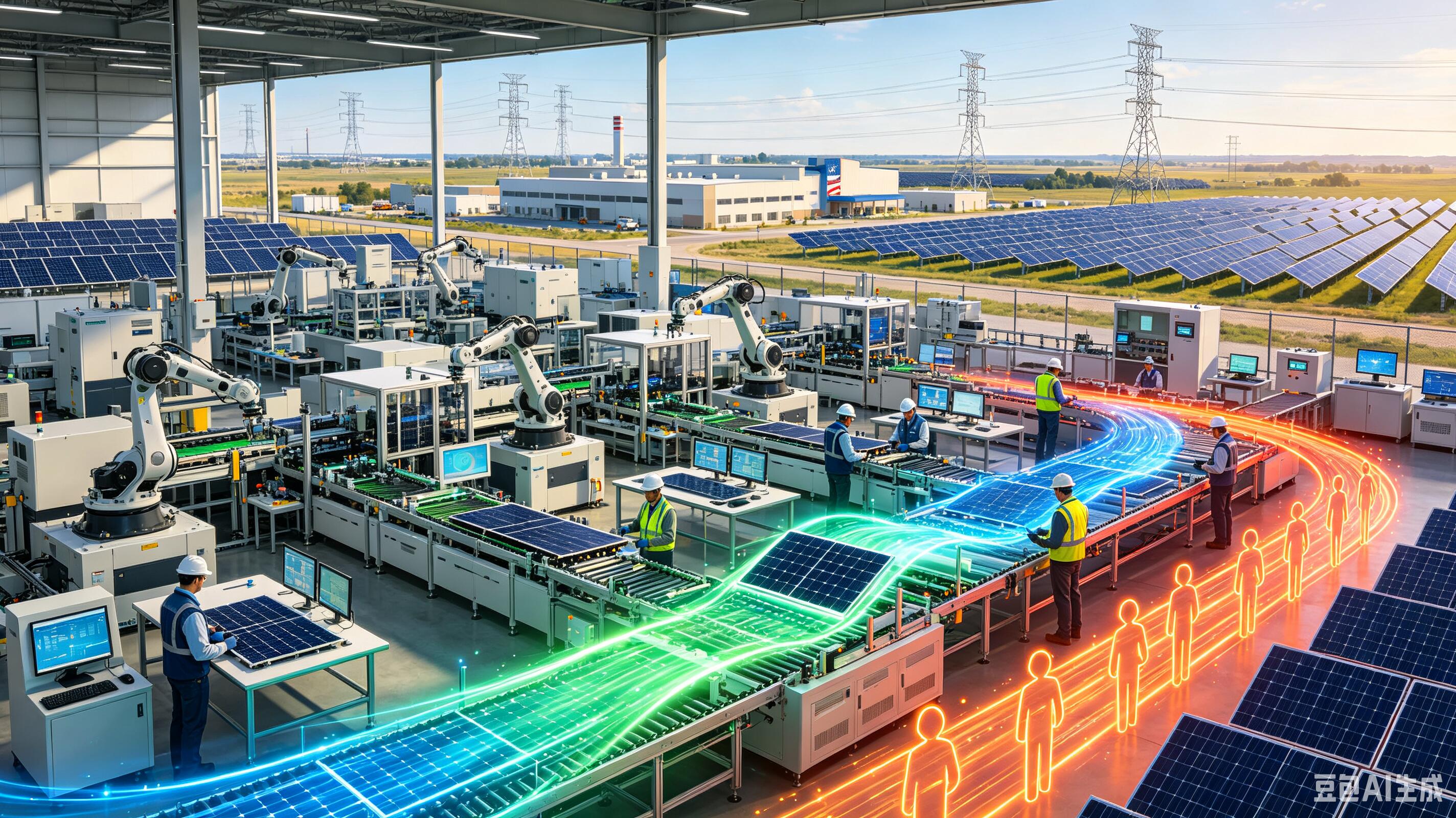
Texas illustrates how conventional energy strength can coexist with rapid renewable development. Large manufacturing and digital infrastructure projects increasingly depend on the same supporting systems: land, substations, transmission, generation and permitting.
The supplied data-center material emphasizes electrical capacity and cooling as the two defining design constraints at GW scale. These lessons strengthen TerraHash’s broader approach to high-density compute infrastructure.
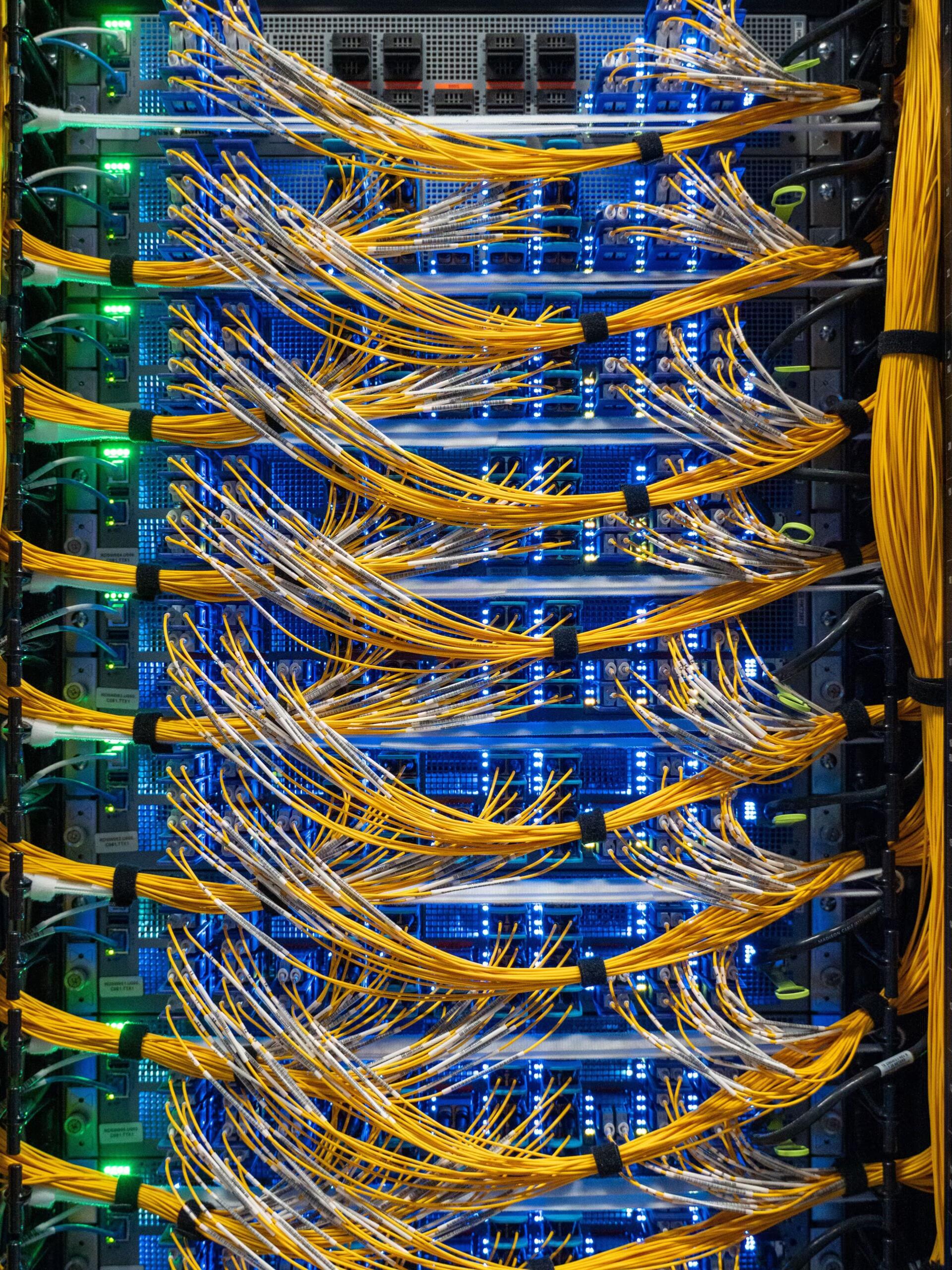
Large AI campuses require dedicated substations, resilient distribution and generation strategies that can exceed the needs of conventional data centers.
Liquid cooling, cold plates, heat rejection and climate conditions increasingly determine rack density and operating efficiency.
Land, interconnection, electrical works and approvals can materially shape U.S. project economics before IT equipment is deployed.
High-capacity transmission, local generation and storage can influence where the next generation of compute campuses becomes viable.
The renewable-energy material supplied for this page spans photovoltaic generation, battery storage and agrivoltaics. Each represents a different way to improve the relationship between land, power production and flexible digital demand.
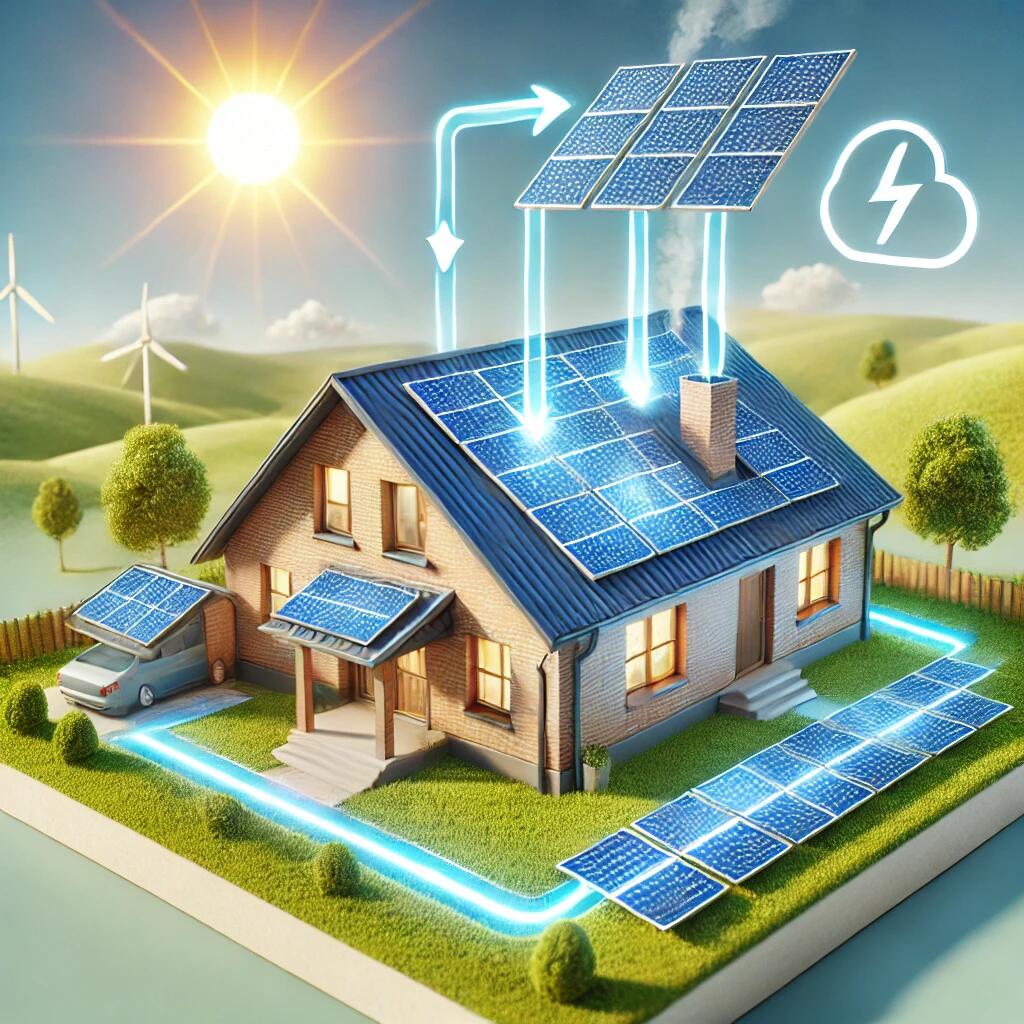
PV modules, inverters and grid or storage interfaces form a scalable generation layer that can support broader compute-oriented power strategies.

Battery systems can help smooth variable generation, support load management and improve the operating fit between renewable supply and flexible compute demand.
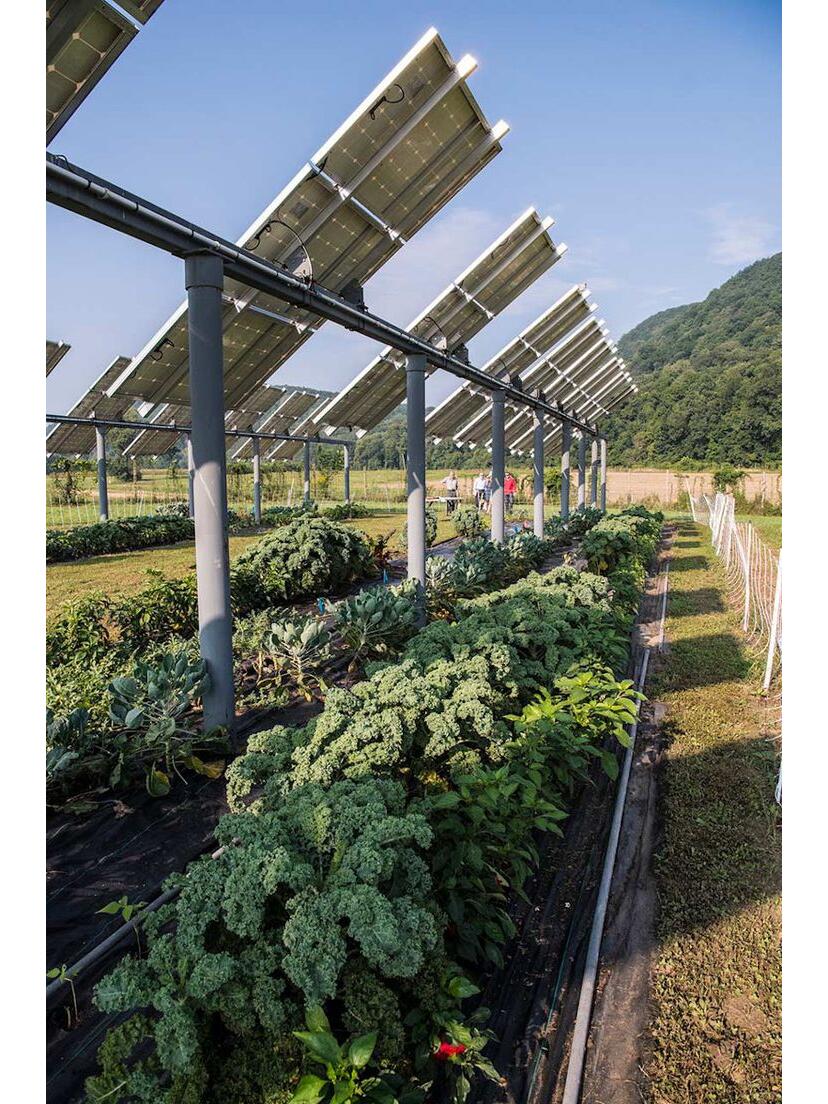
Solar-plus-agriculture models show how generation, food production, irrigation and storage can coexist within a more integrated land-use strategy.
Renewable power supports physical infrastructure; physical infrastructure supports compute; compute produces network value; and downstream digital layers extend access and utility.
Wallet connectivity and NEXUS remain downstream of the infrastructure stack, extending ecosystem access without replacing TerraHash Energy’s core identity as an energy and compute infrastructure platform.
A user-controlled wallet layer can provide access to Bitcoin and supported ecosystem assets while keeping custody and transaction authorization with the user.
NEXUS represents the strategic ecosystem layer for on-chain market access, liquidity connectivity and future digital-asset applications.
A vertically connected ecosystem built from physical energy infrastructure outward — connecting renewable power, Bitcoin compute and downstream digital access within one coherent platform.